
Some golf courses are known for their challenging layouts. Others are remembered for their beautiful scenery or unforgettable finishing holes. But every once in a while, you come across a course with something extra: a story worth telling.
Throughout Highlands County, golf has been part of the landscape for generations. Long before modern equipment, GPS-equipped golf carts, and today's advanced course maintenance technology, golfers were making their way around fairways that continue to welcome players today.
Along the Citrus Golf Trail, those stories are still very much a part of the experience.
Nearly a Century on the Fairways
If the fairways at Pinecrest Golf Club could talk, they'd have quite a few stories to tell.
Located in Avon Park, Pinecrest opened in 1926 and quickly became part of the area's growing reputation as a winter destination. The course was originally developed alongside the Pinecrest Hotel and Resort, which attracted visitors looking to escape colder northern climates.
The property welcomed notable guests over the years, including Babe Ruth and Lou Gehrig. But Pinecrest's place in golf history extends well beyond its famous visitors.
In the late 1950s, the course hosted the World Championship of Golf, an event recognized as the first nationally televised professional golf tournament. The competition featured prominent players of the era, including Sam Snead and Cary Middlecoff, bringing national attention to a course tucked away in South Central Florida.
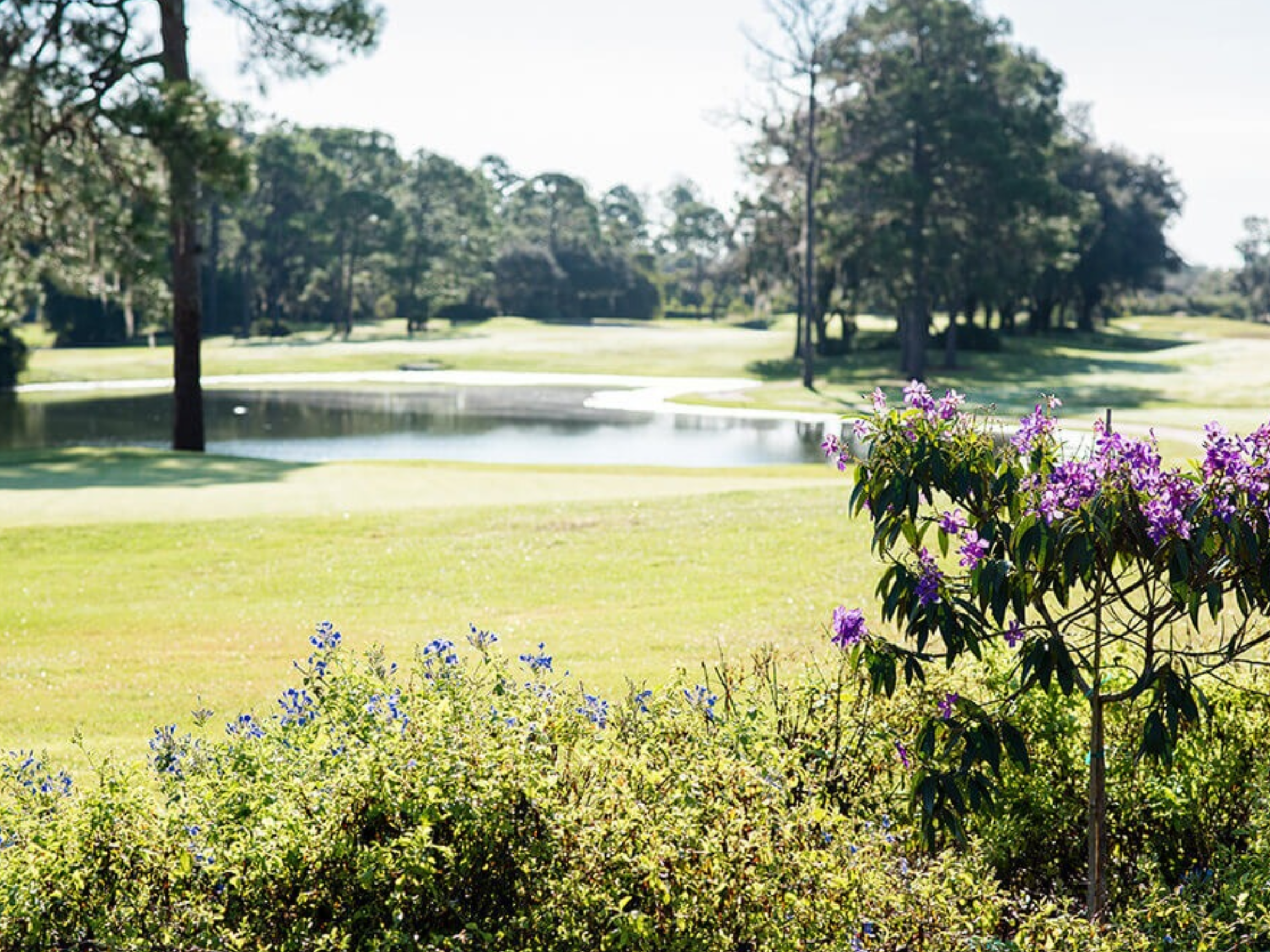
Today, Pinecrest remains a place where golfers can enjoy a traditional layout surrounded by mature trees, natural scenery, and nearly a century of history.
A Course That Grew With the Game
A few decades after Pinecrest first opened, another Highlands County course began building a legacy of its own.
River Greens Golf Course welcomed its first nine holes in 1966, followed by a second nine in 1967. Designed by golf course architect Jack Kidwell, the original layout offered golfers a challenging experience that emphasized thoughtful shot selection and course management.
As interest in the game continued to grow, River Greens expanded again in 1994 with the addition of a third nine-hole course, known as the Pines Course.
That expansion created additional playing combinations and gave golfers more variety while preserving the character that had made River Greens a familiar destination for generations.
The Game Changes, but the Appeal Remains
Golf has changed considerably over the past century. Clubs are more technologically advanced, golf balls travel farther, and course maintenance has evolved in ways earlier generations could hardly have imagined.
But the fundamental appeal of the game remains remarkably consistent.
Golfers still appreciate a well-designed hole, the satisfaction of a perfectly struck iron, and the challenge of reading an unfamiliar green. The same qualities that attracted players decades ago continue to bring new generations to the course.
Historic courses offer a particularly interesting experience because they connect today's golfers with the traditions of the game. Every round becomes an opportunity to appreciate not only the design in front of you, but also the people and events that helped shape its history.
A Little History With Your Next Round
The Citrus Golf Trail brings together courses with different backgrounds, designs, and stories, giving visitors an opportunity to experience both the history and continued evolution of golf in South Central Florida.
Whether you're playing a course that dates back nearly 100 years or discovering a layout you've never experienced before, there's something special about knowing you're contributing to a story that's still being written.
Explore the history, discover the courses, and plan your next round at www.CitrusGolfTrail.com
